
David Boag - wildlife photographer, author & lecturer
I have been lucky to be a professional wildlife photographer for over 40 years. My first book ‘The Kingfisher’ was published in 1982 and since then I have gone on to photograph and write another 17 books for a variety of publishers and large corporate organisations. There is more information about my work by clicking here - or a gallery of my photos.
David’s Lectures
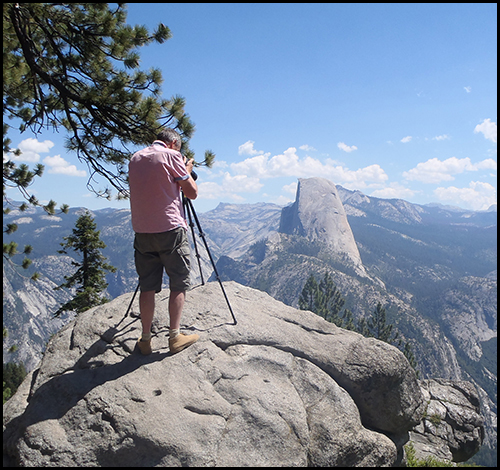
I lecture throughout the country to a large number of audiences, including National Trust Associations, R.S.P.B. Groups, Camera Clubs and Wildlife Trusts, and have been invited to speak at several major conferences. I am also a regular cruise ship speaker.
I have divided my lectures into two main types -
Mainly for photography audiences.
General interest and nature groups.
Focus on Nature

Focus on Nature
Brand new photography tutorial
Comprehensive photography tuition
With over 1500 images, screens and illustrations this tutorial is more comprehensive than any book. It is very inspirational and visual, ensuring that it will improve your skills no matter your experience.


I was brought up in the London suburbs, but I have always had an overwhelming enthusiasm for the natural world and that enthusiasm has remained with me to this day.